
Claude Opus (Motion)
Complex multi-scene compositions. Deep reasoning over animation logic.
Claude Opus 4.8 for Remotion code generation. Same Remotion Agent Skills as Sonnet but with Opus's deeper reasoning capability. Excels at complex, multi-scene compositions requiring consistency across many components: camera transitions, synchronised audio cues, layered animation sequences, and intricate timing logic. Handles large codebases with multiple scenes and shared utilities.
Example outputs
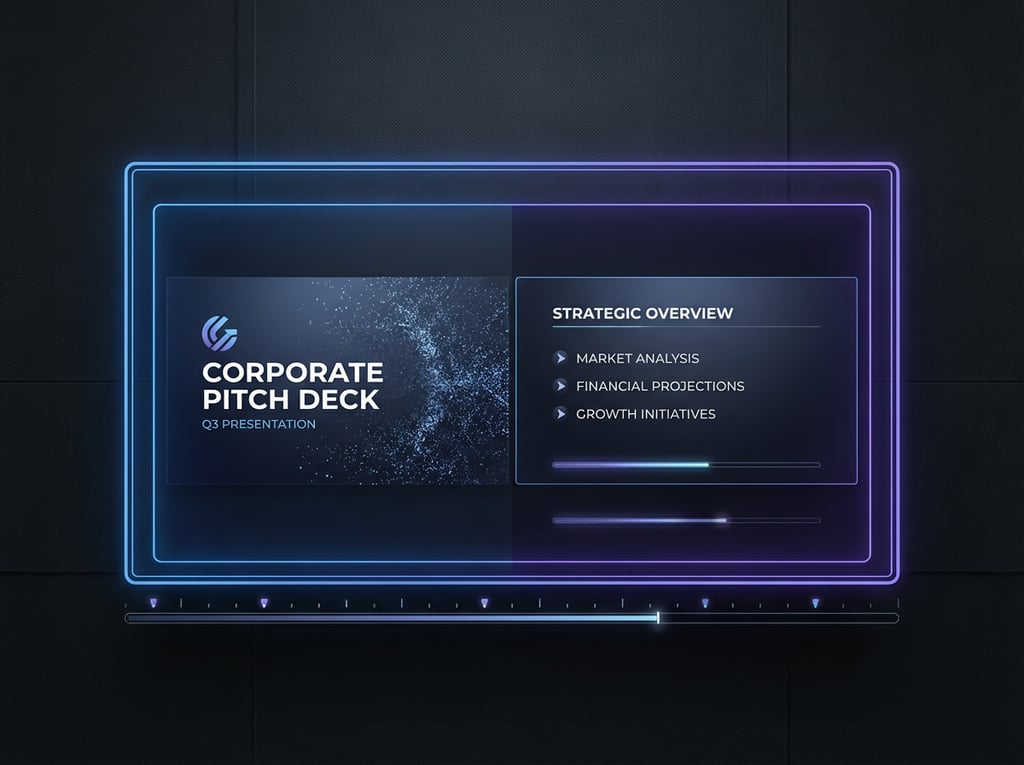
“A multi-slide pitch deck animation: title slide transitions to three feature slides, each with bullet points building sequentially and consistent brand colours throughout”

“A data dashboard with three chart panels: bar chart, line graph, and donut chart all animating in with staggered spring entrances and synchronised labels”
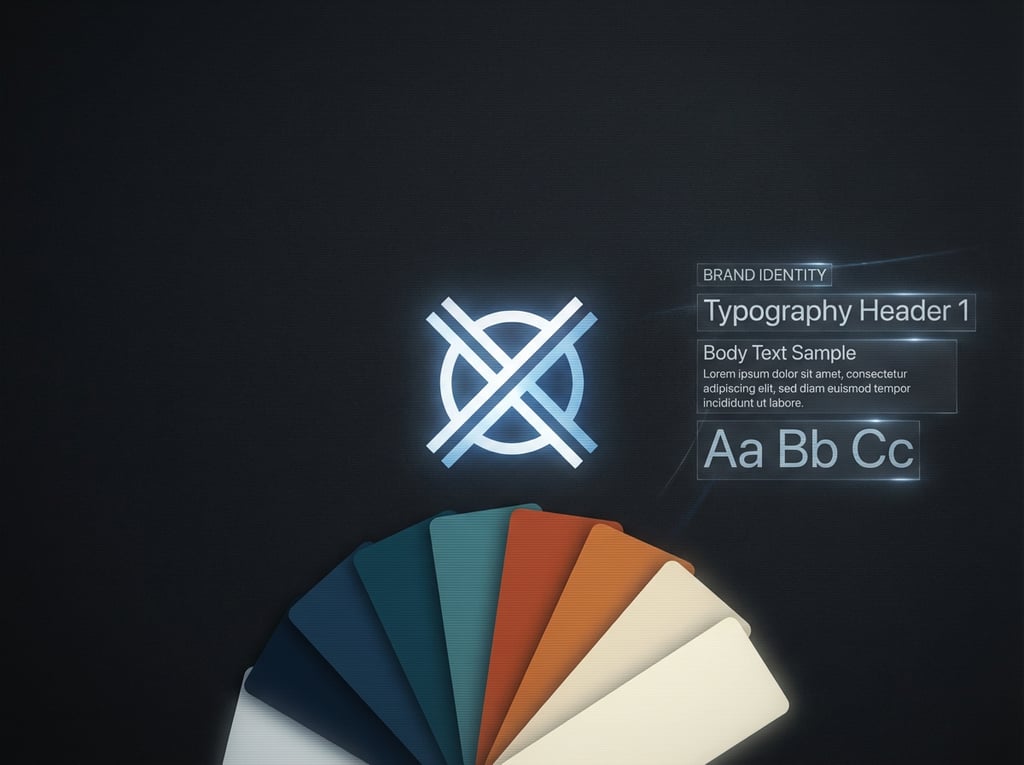
“A brand identity reveal: logo appears centre screen, then colour palette swatches fan out below while typography samples slide in from the right”
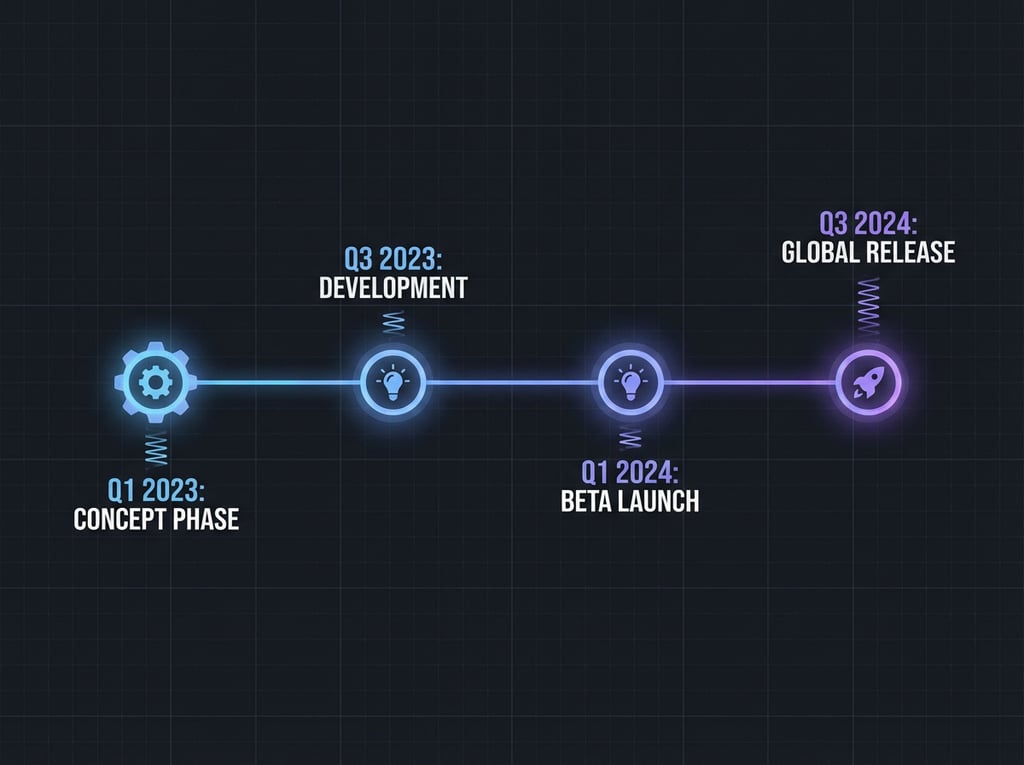
“An animated timeline infographic: horizontal line with 5 milestone nodes that light up one by one, dates and descriptions appearing with spring physics”
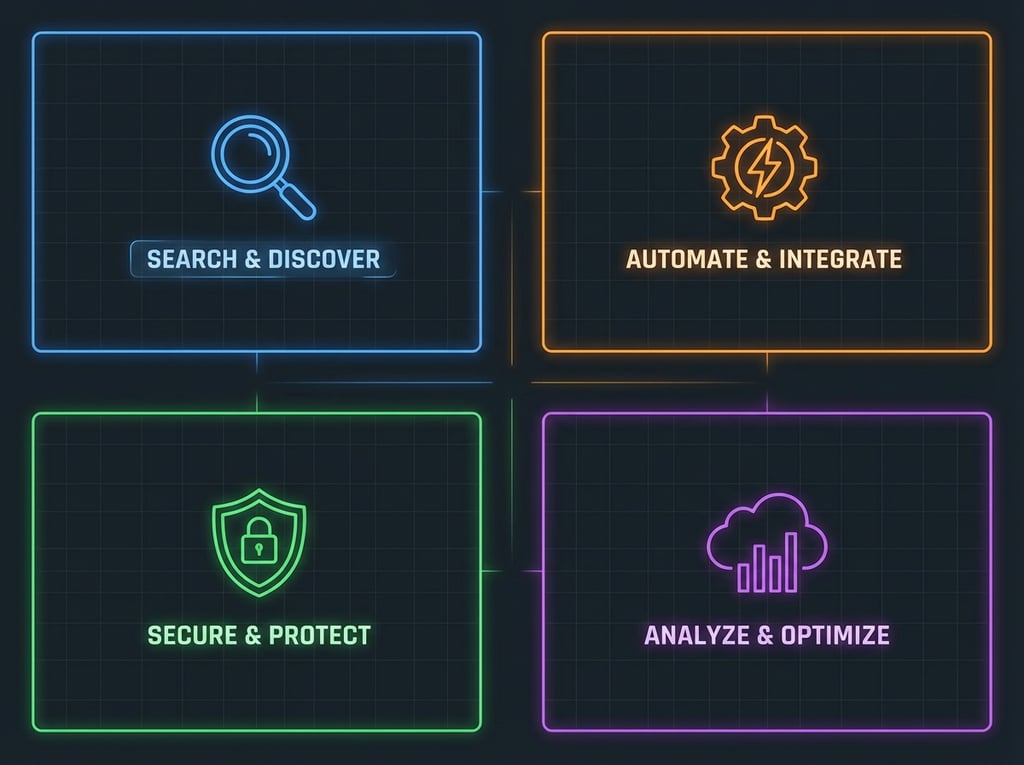
“A feature explainer split into four quadrants, each section revealing its icon and label one at a time with smooth crossfade transitions between them”
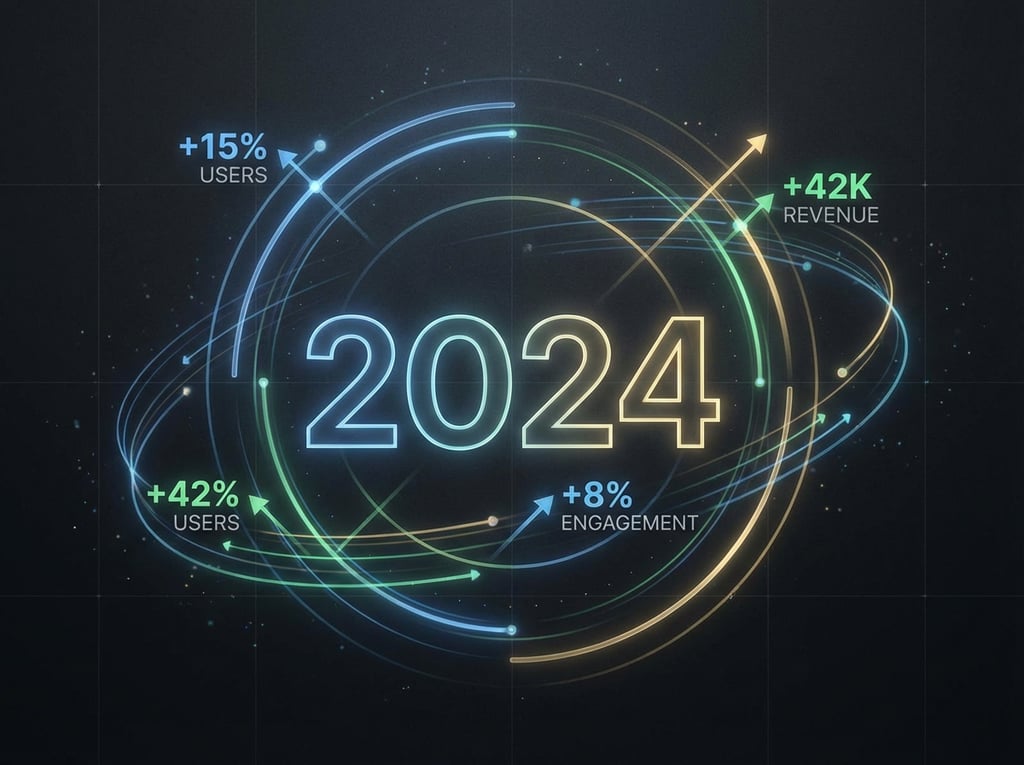
“An annual recap sequence: large year number centre screen, then animated statistics flow in around it with percentage arrows and count-up numbers”
“A multi-slide pitch deck animation: title slide transitions to three feature slides, each with bullet points building sequentially and consistent brand colours throughout”
“A data dashboard with three chart panels: bar chart, line graph, and donut chart all animating in with staggered spring entrances and synchronised labels”
“A brand identity reveal: logo appears centre screen, then colour palette swatches fan out below while typography samples slide in from the right”
“An animated timeline infographic: horizontal line with 5 milestone nodes that light up one by one, dates and descriptions appearing with spring physics”
“A feature explainer split into four quadrants, each section revealing its icon and label one at a time with smooth crossfade transitions between them”
“An annual recap sequence: large year number centre screen, then animated statistics flow in around it with percentage arrows and count-up numbers”
How it works
Describe your animation
Type a detailed prompt describing the motion composition, timing, and visual style you want.
Choose template and complexity
Pick simple, standard, or complex. See the credit cost before you generate.
Code generated in seconds
Production-ready React/TypeScript code rendered as a video you can preview, adjust, and export.
Ready to create with Claude Opus (Motion)?
Jump into the Studio and start generating. Plans from $11/month.
Complex motion compositions with deep reasoning.
Claude Opus (Motion) handles what Sonnet cannot: multi-scene compositions where every element must stay consistent across transitions, shared colour palettes, synchronised audio cues, and layered animation sequences that build on each other. Opus reasons deeply about the relationships between scenes before writing any code, producing compositions where the first frame of scene three logically follows the last frame of scene two.
The deep reasoning capability is particularly valuable for mathematical animation logic. Physics simulations, parametric curves, easing functions that match real-world motion, and complex timing calculations that coordinate dozens of elements across a timeline. Opus can hold the entire composition in context and reason about how changes to one element ripple through the rest.
Choose Opus over Sonnet when your project has multiple scenes, shared design tokens, or coordinated animations that span more than a few seconds. For single-scene compositions, quick iterations, or simple animations, Sonnet is faster and more cost-effective. Opus is the model you reach for when the brief says 'brand film' rather than 'social post'.
Multi-scene orchestration
Opus generates multi-file Remotion projects with shared utilities, consistent design tokens, and scene-to-scene transitions that feel intentional. It plans the entire composition structure before writing code, ensuring that colours, typography, spacing, and motion language stay consistent from the opening frame to the final card.
Complex timing and physics
When your animation requires synchronised elements, staggered reveals, physics-based easing, or mathematical curves, Opus's reasoning depth produces correct timing logic on the first generation. It calculates spring configurations, interpolation ranges, and delay offsets that produce smooth, professional motion without trial and error.
When to use Opus for motion
Use Opus for brand films, explainer videos, multi-scene presentations, and any composition longer than 10 seconds with coordinated elements. Use Sonnet for social posts, single-scene animations, quick title cards, and iterative exploration. The two models complement each other: explore with Sonnet, produce with Opus.
Questions about Claude Opus (Motion).
Why Stensyl?.
Ready to create with Claude Opus (Motion)?
Professional motion graphics. Plans from $11/month.