
GPT-5.4 (Motion)
Codex-lineage TypeScript. Auto-reasoning. Lower cost than Opus.
GPT-5.4 applied to Remotion code generation. While it lacks Remotion's dedicated Agent Skills system (built for Claude), the codex heritage gives it strong TypeScript/React output. The automatic reasoning router applies the right amount of thinking to each task. Strong at producing structured, well-organised code with clear separation of concerns. Lower cost than Claude Opus at $30/M vs $75/M output tokens.
Example outputs

“A title card with bold white headline, a coloured underline drawing itself in from left to right, and a subtitle fading in below”
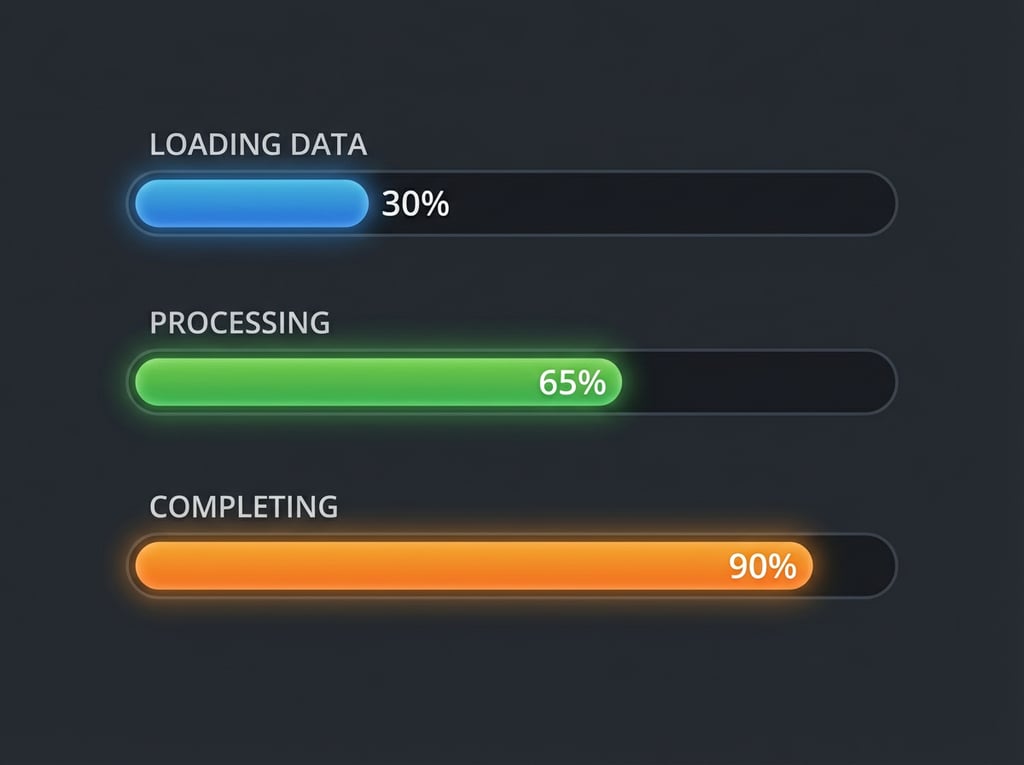
“Three animated progress bars filling to different percentages with labels and values, staggered entrance with spring easing”
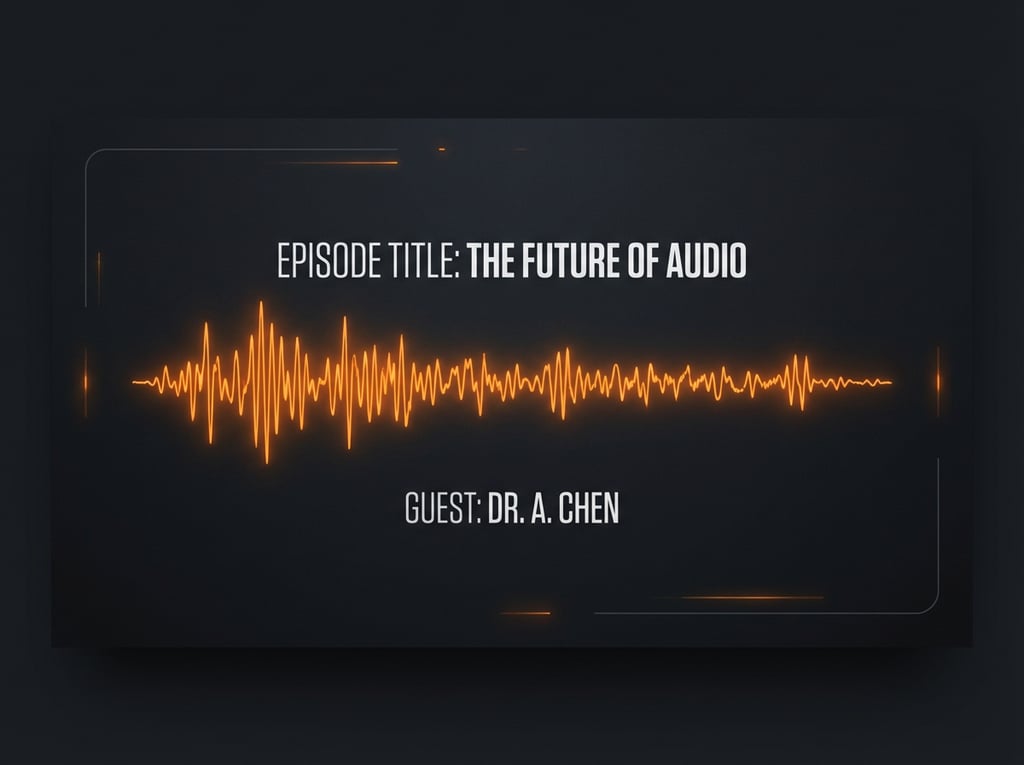
“A podcast audiogram: waveform visualisation in orange across the centre, episode title above, guest name below, 15 seconds”

“A before/after split reveal: vertical divider line sliding left to right across two comparison images, clean transition”

“A step-by-step tutorial animation: three numbered circles connected by lines, each step highlighting in sequence with description text”

“A loading animation: geometric shapes rotating and assembling into a simple logo mark, seamless loop”
How it works
Describe your animation
Type a detailed prompt describing the motion composition, timing, and visual style you want.
Choose template and complexity
Pick simple, standard, or complex. See the credit cost before you generate.
Code generated in seconds
Production-ready React/TypeScript code rendered as a video you can preview, adjust, and export.
Ready to create with GPT-5.4 (Motion)?
Jump into the Studio and start generating. Plans from £10/month.
Choose a PlanMotion graphics powered by GPT-5.4.
GPT-5.4 brings OpenAI's codex heritage to Remotion code generation. The model's lineage traces directly back to Codex, the system that powered GitHub Copilot, and it shows in the TypeScript output quality. Clean type annotations, proper React patterns, well-structured component hierarchies, and idiomatic use of hooks and utilities. The code reads like it was written by a senior developer, not generated by an AI.
The automatic reasoning router is GPT-5.4's distinguishing feature. Rather than applying maximum compute to every request, it dynamically adjusts reasoning depth based on task complexity. A simple title card gets fast, efficient generation. A multi-scene composition with complex timing gets deeper analysis. You do not need to choose between speed and quality. The model makes that trade-off for you.
At $30/M output tokens compared to Claude Opus's $75/M, GPT-5.4 offers a meaningful cost advantage for teams producing motion content at volume. For studios running dozens of motion compositions per week, the savings compound quickly without sacrificing output quality.
Codex-lineage code generation
GPT-5.4 descends from the same model family that built GitHub Copilot. TypeScript is not an afterthought. The model produces properly typed components, correct use of Remotion's API surface, and clean separation between animation logic and presentation. Import statements, prop interfaces, and utility functions are all handled correctly.
Automatic reasoning depth
The reasoning router analyses each prompt and applies the appropriate level of thinking. Simple animations get generated quickly. Complex multi-element compositions receive deeper analysis of timing, layout, and component relationships. This adaptive approach means you get fast results on simple tasks without sacrificing quality on complex ones.
Half the cost of Opus
GPT-5.4's output token pricing is less than half of Claude Opus. For teams producing motion content regularly, this translates to significantly lower per-composition costs.
Questions about GPT-5.4 (Motion).
Why Stensyl?
A small indie studio building creative tools the way they should be built. No VC theatre, no funnel games, no faceless support.
Ready to create with GPT-5.4 (Motion)?
Professional motion graphics. Plans from £10/month.