
GPT-5.6 (Motion)
OpenAI's codex-lineage family for Remotion: Sol, Terra, and Luna. Flagship reasoning down to fast and affordable.
GPT-5.6 applied to Remotion code generation, in three tiers. Sol is the flagship for the most ambitious multi-scene compositions. Terra is the balanced everyday choice at roughly half the cost. Luna is fast and affordable for simple title cards and transitions. All three share OpenAI's codex heritage, so the TypeScript output is clean, properly typed, and idiomatic. Every tier reads reference images you attach.
Example outputs
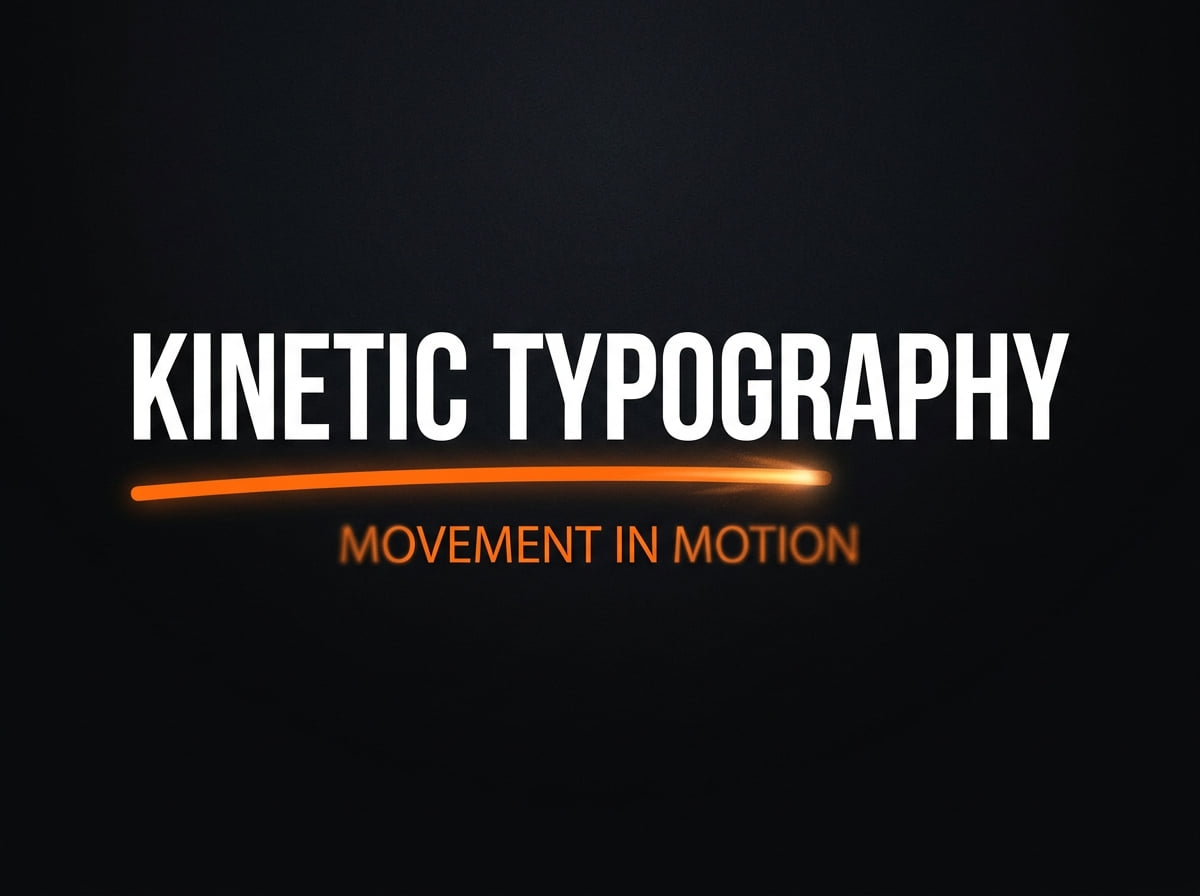
“A title card with bold white headline, a coloured underline drawing itself in from left to right, and a subtitle fading in below”
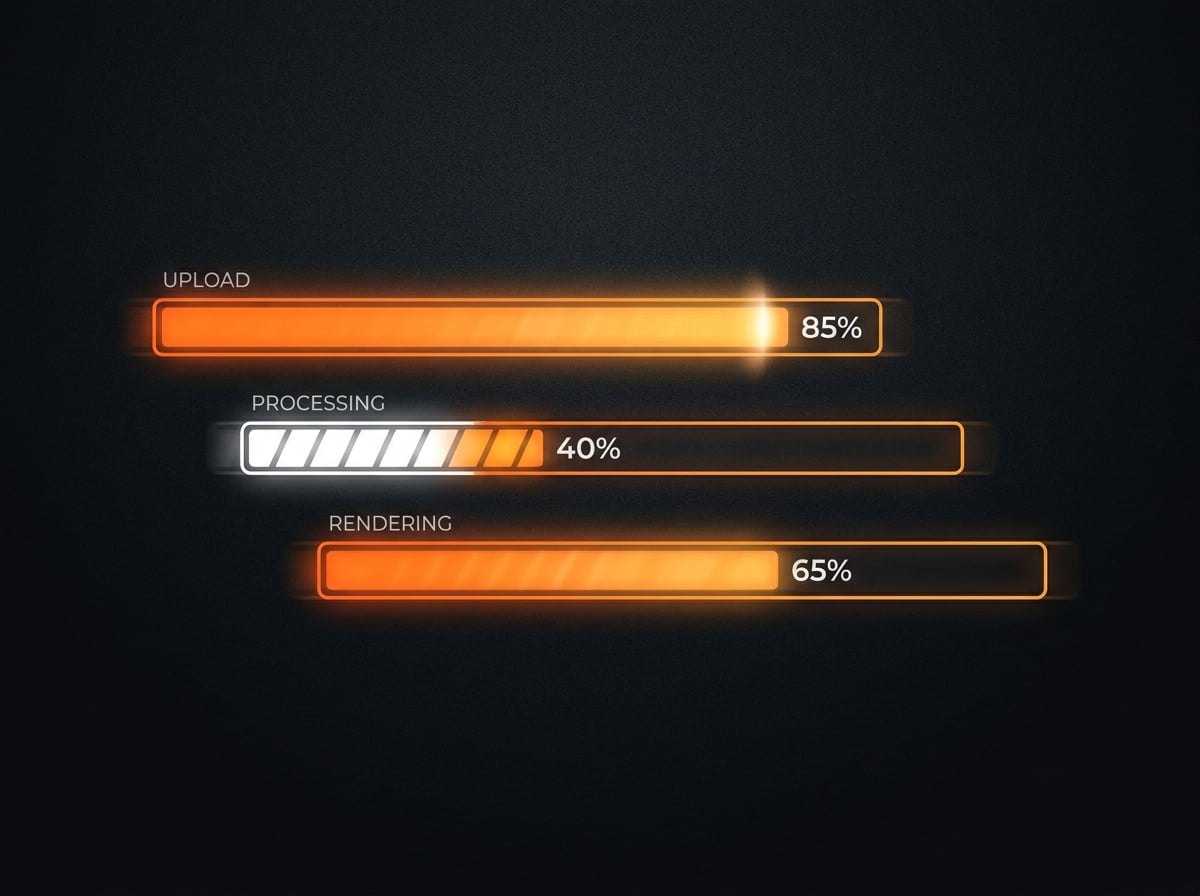
“Three animated progress bars filling to different percentages with labels and values, staggered entrance with spring easing”
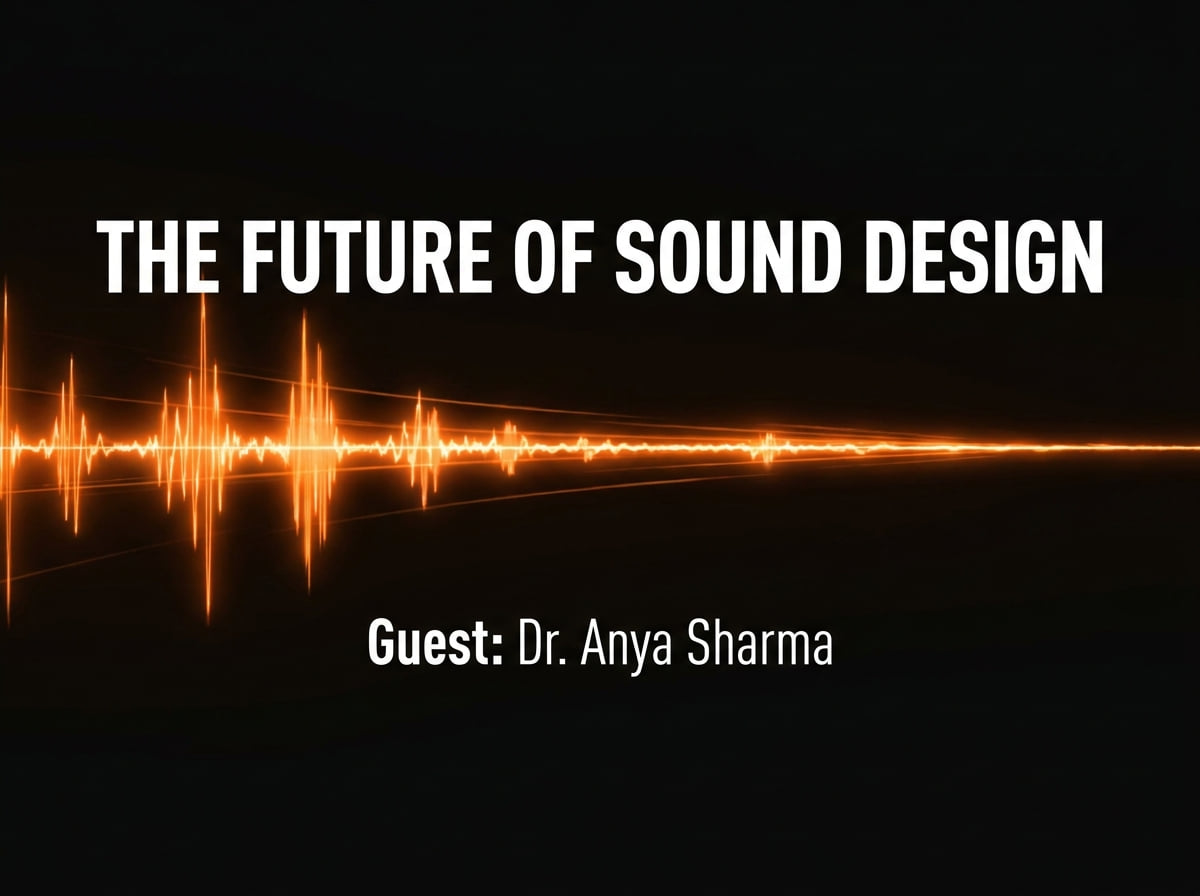
“A podcast audiogram: waveform visualisation in orange across the centre, episode title above, guest name below, 15 seconds”
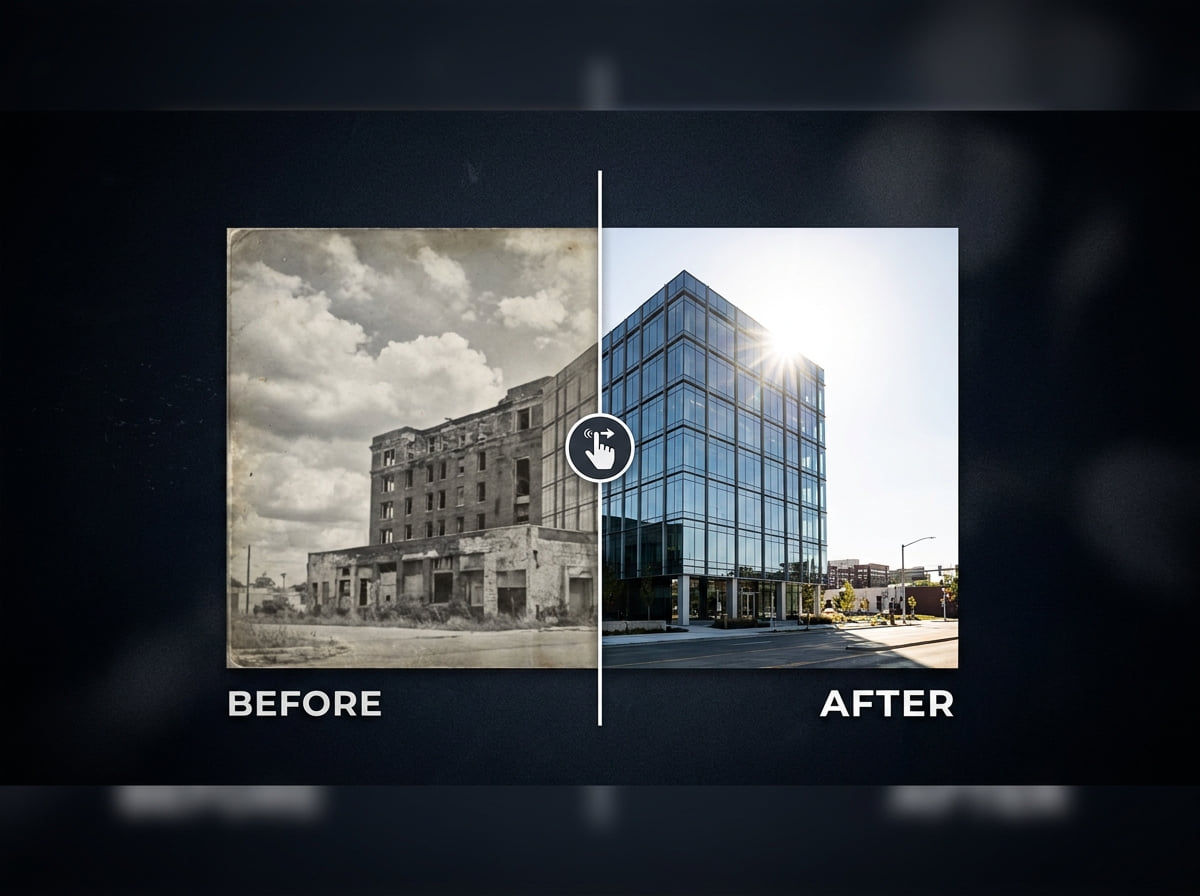
“A before/after split reveal: a vertical divider line sliding left to right across two comparison images, with a clean wipe transition”
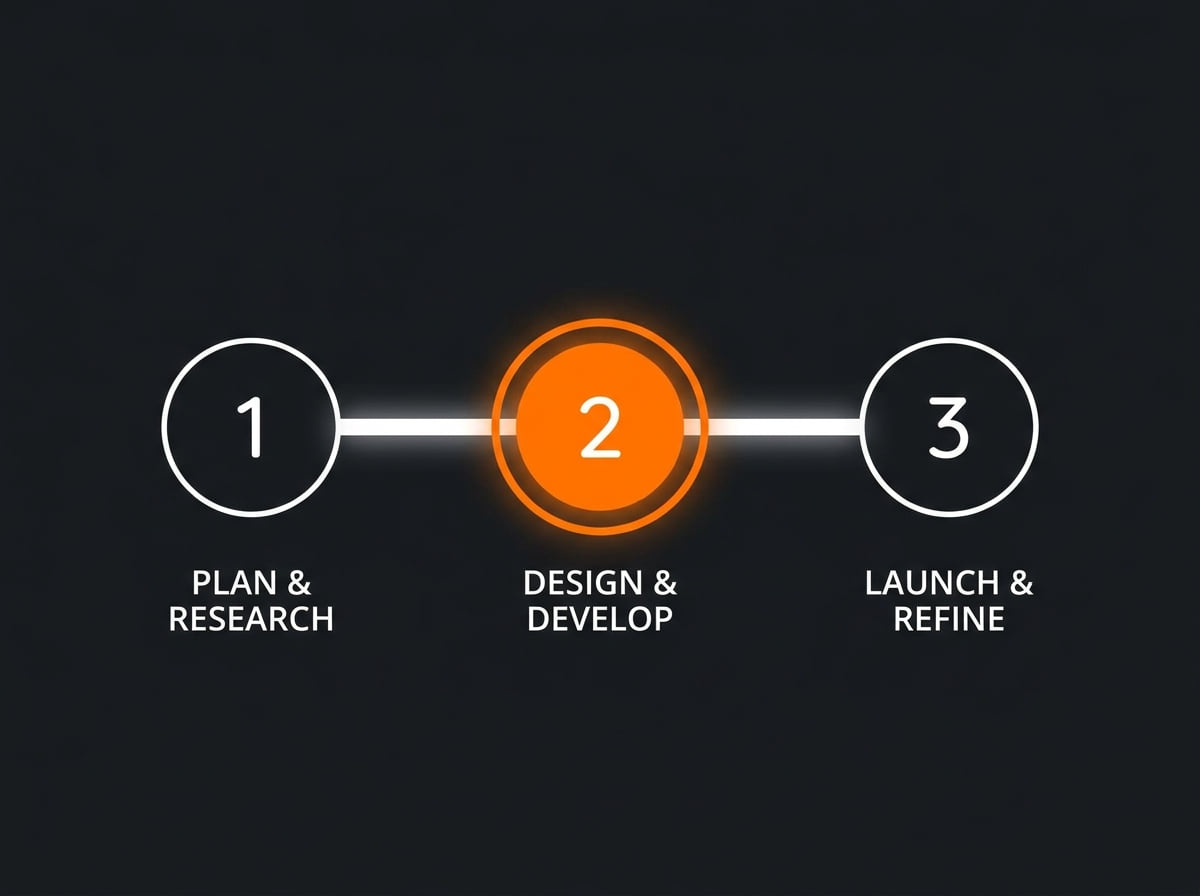
“A step-by-step tutorial animation: three numbered circles connected by lines, each step highlighting in sequence with description text”
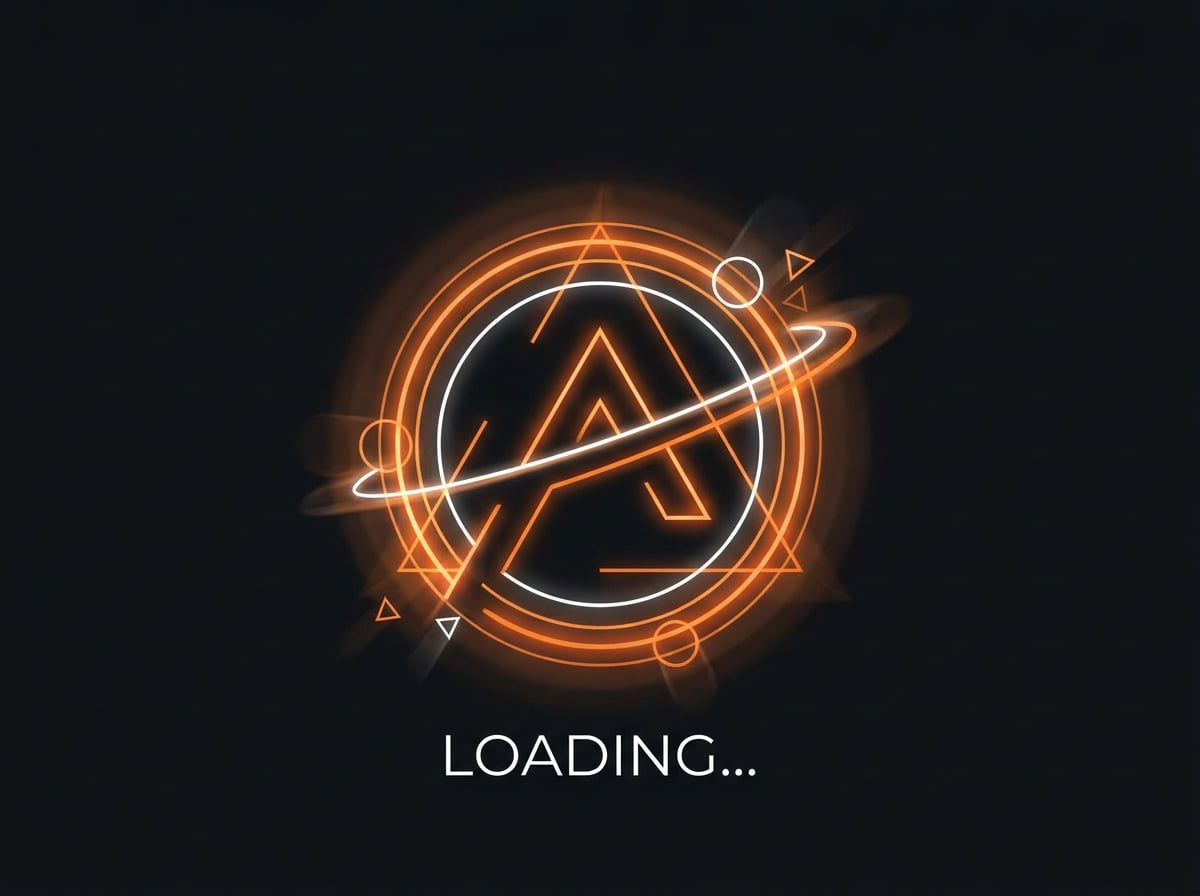
“A loading animation: colourful geometric shapes rotating and assembling into a simple logo mark, in a smooth seamless loop”
“A title card with bold white headline, a coloured underline drawing itself in from left to right, and a subtitle fading in below”
“Three animated progress bars filling to different percentages with labels and values, staggered entrance with spring easing”
“A podcast audiogram: waveform visualisation in orange across the centre, episode title above, guest name below, 15 seconds”
“A before/after split reveal: a vertical divider line sliding left to right across two comparison images, with a clean wipe transition”
“A step-by-step tutorial animation: three numbered circles connected by lines, each step highlighting in sequence with description text”
“A loading animation: colourful geometric shapes rotating and assembling into a simple logo mark, in a smooth seamless loop”
How it works
Describe your animation
Type a detailed prompt describing the motion composition, timing, and visual style you want.
Choose template and complexity
Pick simple, standard, or complex. See the credit cost before you generate.
Code generated in seconds
Production-ready React/TypeScript code rendered as a video you can preview, adjust, and export.
Ready to create with GPT-5.6 (Motion)?
Jump into the Studio and start generating. Plans from $11/month.
One GPT-5.6 family, three tiers for motion.
GPT-5.6 brings OpenAI's codex heritage to Remotion code generation, split into three tiers so you match the model to the composition. The lineage traces back to Codex, the system that powered GitHub Copilot, and it shows in the output: clean type annotations, proper React patterns, well-structured component hierarchies, and idiomatic use of hooks and utilities.
Sol is the flagship. Reach for it on the most ambitious work: multi-scene infographics, elaborate timed compositions, anything that needs the deepest reasoning about layout, timing, and component relationships. Terra is the balanced everyday tier at roughly half the cost, the sensible default for typical motion graphics. Luna is fast and affordable for simple title cards, transitions, and quick iterations.
Because motion credits track provider cost, the three tiers price cleanly from cheapest (Luna) to flagship (Sol), so you only pay for the depth a composition actually needs. Every tier also reads reference images you attach, grounding the generated composition in your own visuals.
Codex-lineage code generation
GPT-5.6 descends from the same model family that built GitHub Copilot. TypeScript is not an afterthought. It produces properly typed components, correct use of Remotion's API surface, and clean separation between animation logic and presentation. Import statements, prop interfaces, and utility functions are all handled correctly.
Three tiers, one family
Sol for flagship reasoning on complex compositions, Terra for balanced everyday work, Luna for fast and affordable simple animations. Pick per composition and switch any time in the studio's model picker.
Reads your reference images
Attach a reference frame or brand still and GPT-5.6 grounds the composition in it, matching colour, layout, and style cues the same way the Claude motion models do.
Questions about GPT-5.6 (Motion).
Why Stensyl?.
Ready to create with GPT-5.6 (Motion)?
Professional motion graphics. Plans from $11/month.