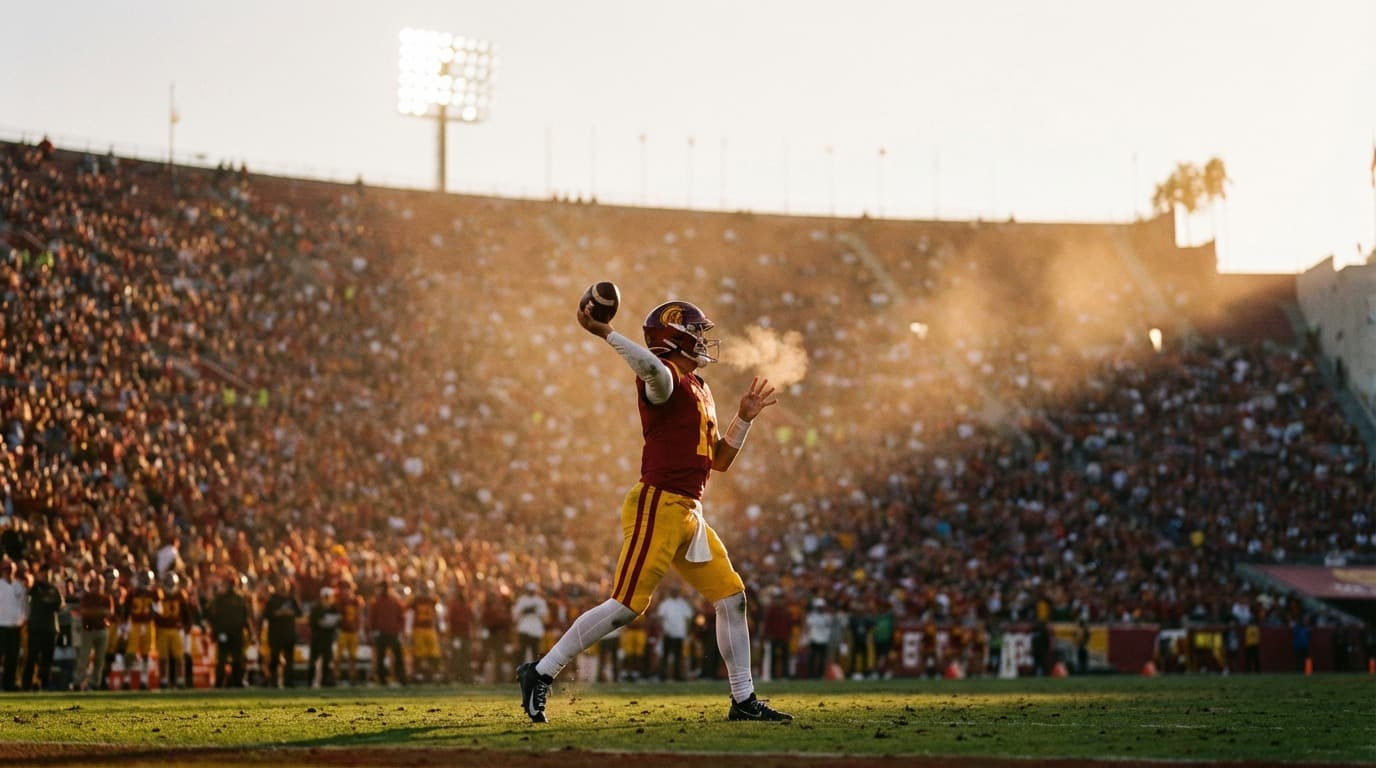
Luma Ray 2 Flash
Same physics DNA as Ray 2. Three times faster.
Luma Ray 2 Flash is the speed-optimised variant of the Ray 2 architecture. It generates roughly three times faster at a third of the cost, while retaining the same physics-aware motion model. Use Flash to explore directions, test camera angles, and iterate on concepts. Promote the best takes to Ray 3.2 for the final render.
Example outputs

“A quick concept test: a ceramic coffee cup on a wooden table, steam rising, morning light through a nearby window, product mood video”
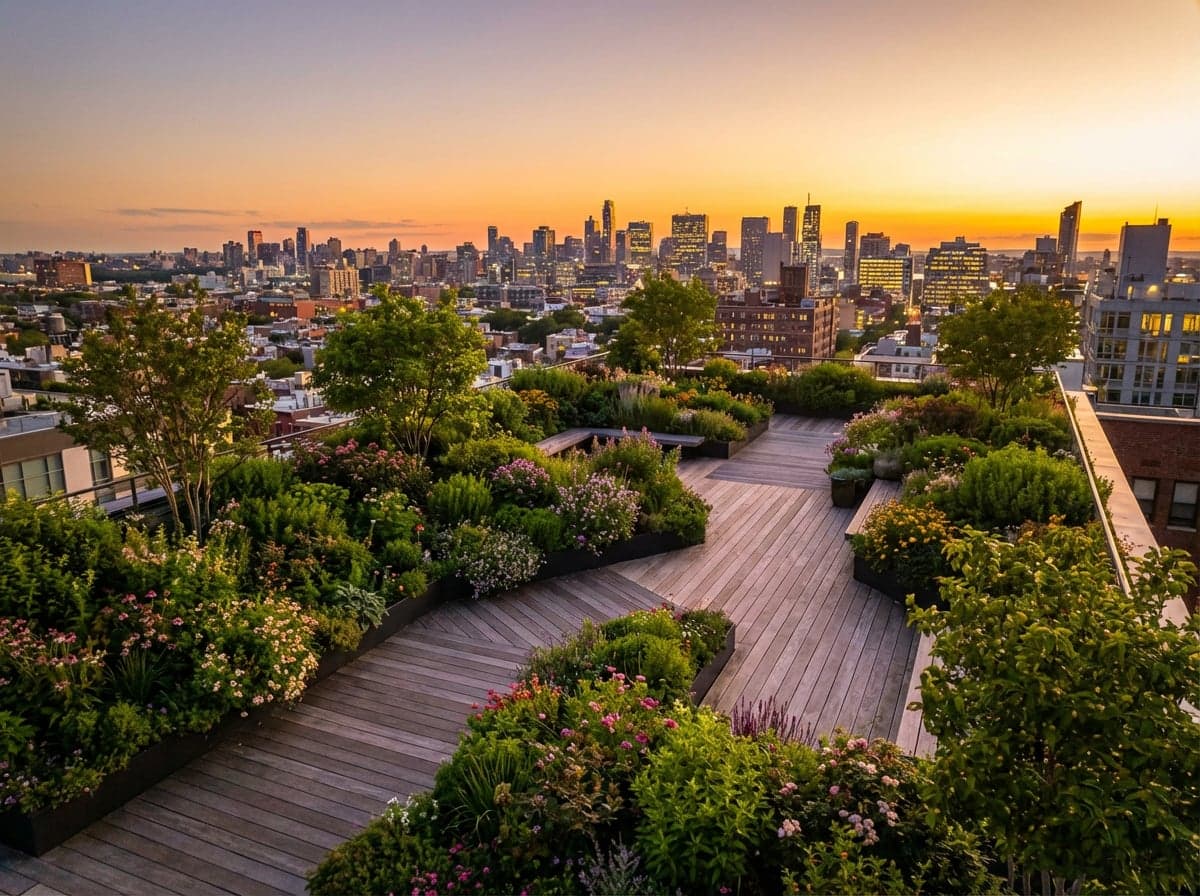
“A drone flyover of a green rooftop terrace at sunset, warm golden tones, gentle camera drift, city skyline in the background”

“A model walking through a sunlit greenhouse corridor, dappled shadows, linen dress, soft focus background, fashion lookbook clip”
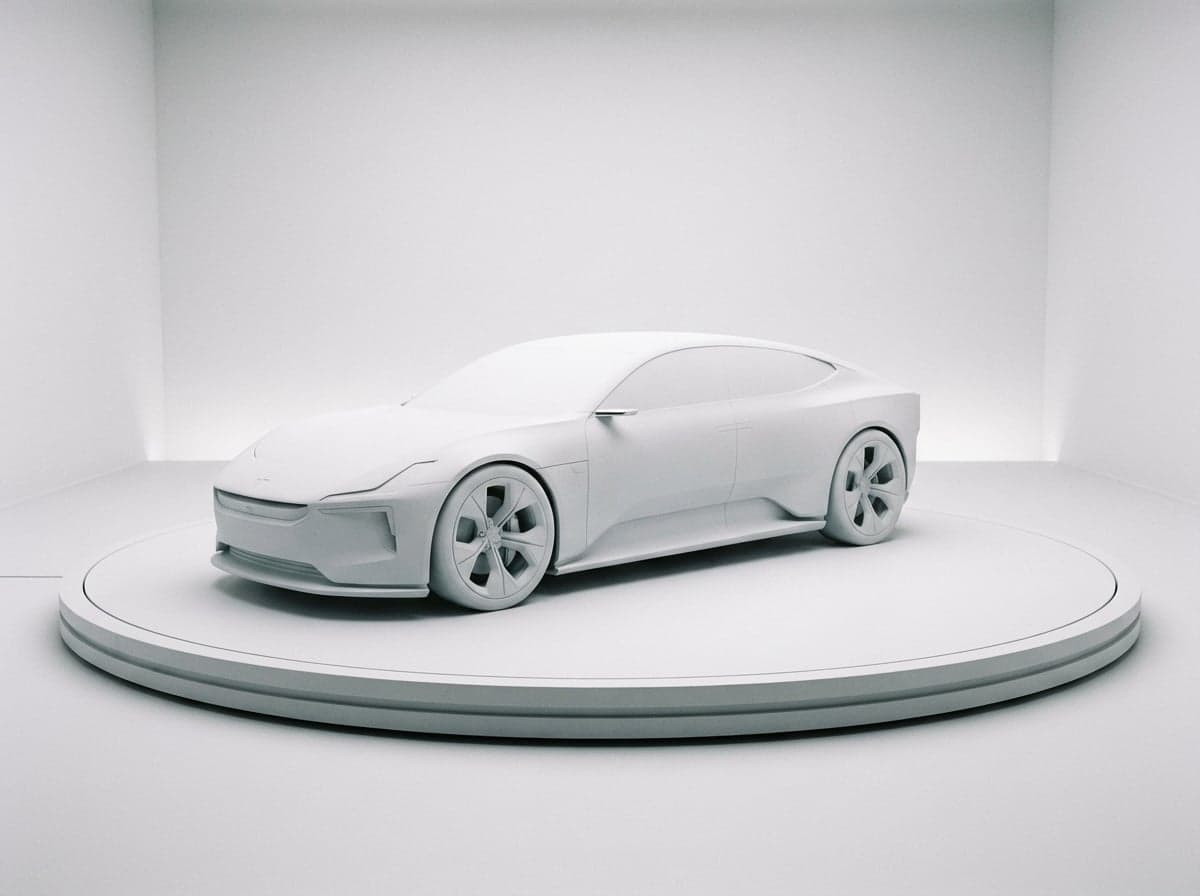
“A concept car prototype rotating on a turntable in a clean white studio, even lighting, slow 360-degree rotation, automotive design review”
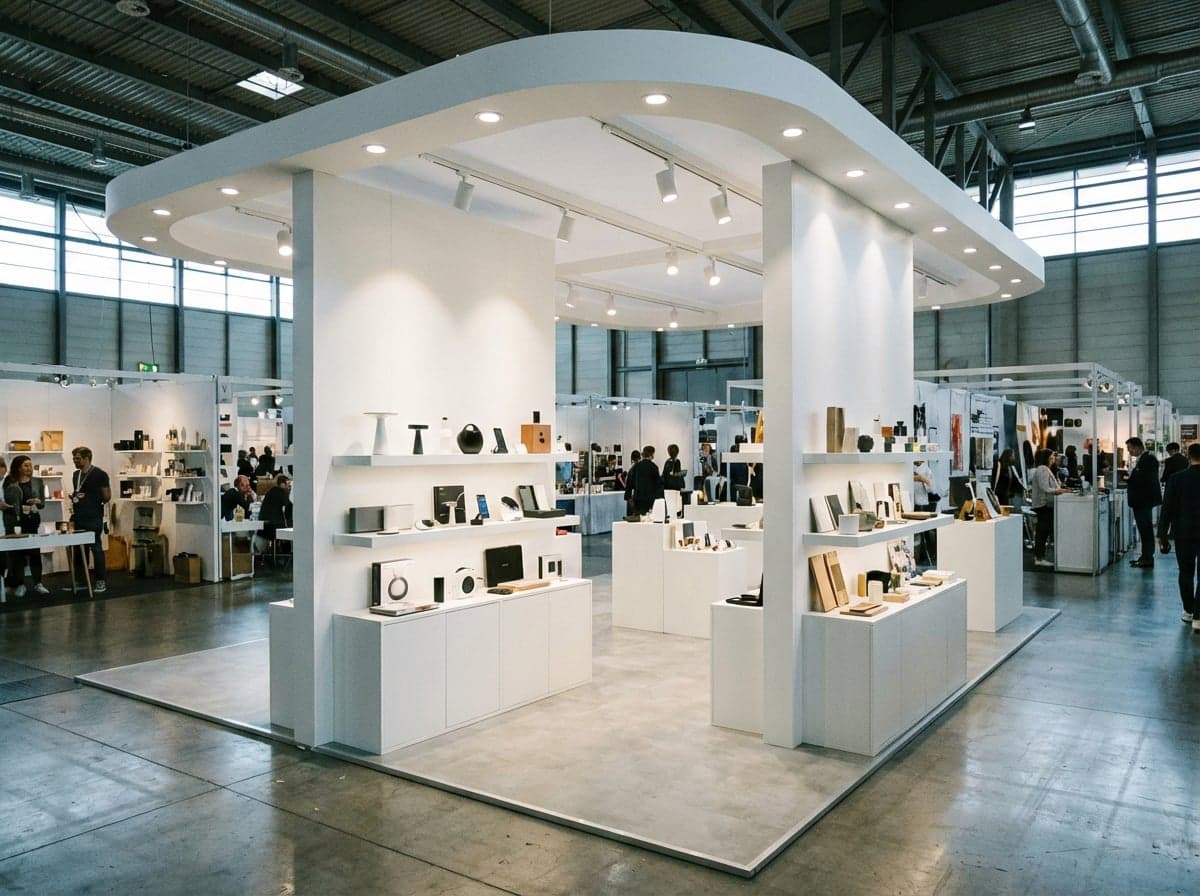
“A time-lapse of a modular exhibition stand being assembled, overhead angle, workers and materials in motion, event design documentation”

“A quick camera test: a close-up of hands arranging flowers in a ceramic vase, natural light, shallow depth of field, lifestyle content”
“A quick concept test: a ceramic coffee cup on a wooden table, steam rising, morning light through a nearby window, product mood video”
“A drone flyover of a green rooftop terrace at sunset, warm golden tones, gentle camera drift, city skyline in the background”
“A model walking through a sunlit greenhouse corridor, dappled shadows, linen dress, soft focus background, fashion lookbook clip”
“A concept car prototype rotating on a turntable in a clean white studio, even lighting, slow 360-degree rotation, automotive design review”
“A time-lapse of a modular exhibition stand being assembled, overhead angle, workers and materials in motion, event design documentation”
“A quick camera test: a close-up of hands arranging flowers in a ceramic vase, natural light, shallow depth of field, lifestyle content”
How it works
Describe your scene
Type a detailed prompt describing the video you want, or upload a reference image as a starting frame.
Choose your settings
Pick your resolution and duration. See the credit cost before you generate.
Generate your video
Your video is ready in 1-3 minutes. Download, iterate, or extend the sequence.
Ready to create with Luma Ray 2 Flash?
Jump into the Studio and start generating. Plans from $11/month.
Fast physics-based video for concept work.
The difference between Flash and Ray 2 is not architecture. Both models share the same multi-modal backbone trained on video data. Flash trades rendering time for speed, producing clips roughly three times faster at a fraction of the cost. The physics model is intact: objects still fall with weight, materials still catch light correctly, and camera movements still track with consistent parallax. The savings show in fine detail and edge sharpness on close inspection, but at the concept stage that trade-off is well worth the speed.
Flash makes it practical to run six or seven variations of a concept without burning through your monthly balance. Test a product turntable from three angles. Try a walkthrough with different lighting conditions. Compare two camera speeds on the same scene. Each experiment costs less than half a Ray 2 render, and you get results three times faster. The iterations compound. By the time you promote one take to Ray 3.2 for the final 1080p render, you have already explored the creative space.
Flash supports six aspect ratios: 16:9, 9:16, 4:3, 3:4, 21:9, and 9:21. Loop mode is available for seamless repeating clips. Available on every plan, including Free, so it is open to every subscriber. For teams testing concepts across multiple briefs and disciplines, Flash is the volume workhorse while Ray 3.2 handles the hero deliverables.
Questions about Luma Ray 2 Flash.
Why Stensyl?.
Ready to create with Luma Ray 2 Flash?
Professional video generation. Plans from $11/month.